
Art Therapy.
What is art therapy?
Art therapy is a form of psychotherapy that uses visual and tactile media as a means of self expression and communication and healing. Art therapy can support us at all stages of our lives, regardless of our artistic ability, to explore and vent difficult and confusing feelings (especially when words aren’t enough) and to grow and to learn about ourselves.
You do not need to be ‘good at art’ to do art therapy!
Art therapy uses creativity and making as its main method of communication or as a path towards talking, when it feels like talking is too much. It can improve self-esteem, help us understand ourselves better, empower us to achieve our goals and teach us to be kinder to ourselves.
In art therapy, an art therapist will support you to use art and creativity to communicate and better understand often complex parts of your interior world - your thoughts, feelings, values and goals.
Who is art therapy suitable for?
Art therapy can help us at any age and in all stages of our lives, including if our life has been affected by difficult personal experiences, illness or disability. Art therapy doesn’t work with artistic ability, it works with you.
How is art therapy regulated?
In the UK, the title art therapist and art psychotherapist are protected by law. All UK art therapists must be registered with the Health and Care Professions Council (HCPC). All registered art therapists can be found on the HCPC’s register.
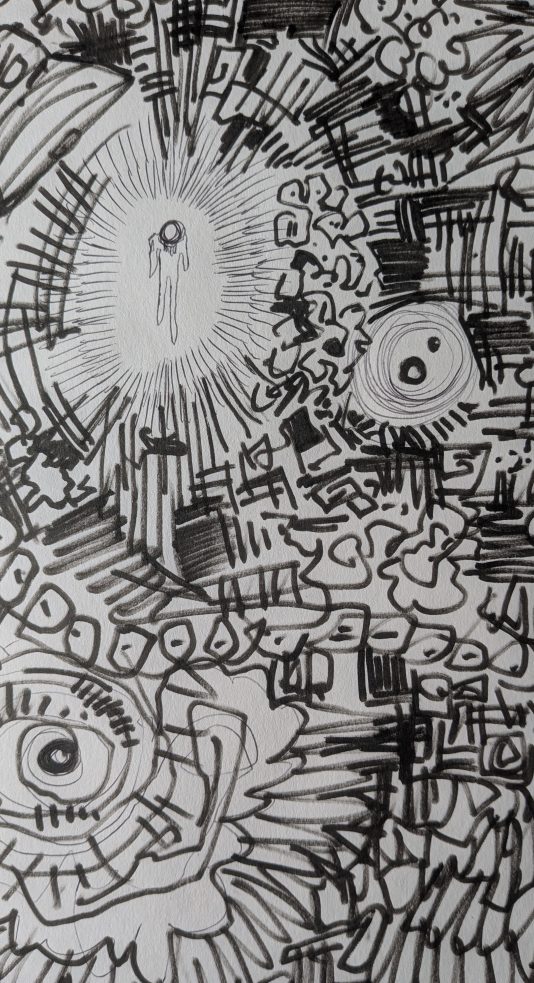
"If you hear a voice inside you saying "you cannot paint," then by all means paint and that voice will be silenced."
Vincent van Gogh